Post Contents [hide]
- Leaving the Hospital: You Don’t Have to Remember Everything
- Start Slowly With Food
- Chew your food.
- Hydration Matters — Especially With an Ileostomy
- Protect the Skin Around Your Stoma
- Be Careful With Your Core After Surgery
- Your Ostomy Does Not Define Your Life
- Preparation Can Give You Freedom
- Take It One Day at a Time
When you first come home after ostomy surgery, it can feel like you’ve been handed an entirely new body and expected to know how to use it.
There’s pouching to learn, skin to protect, food to think about, hydration to manage, and a new stoma that may still feel completely foreign. At the same time, you’re recovering from major surgery.
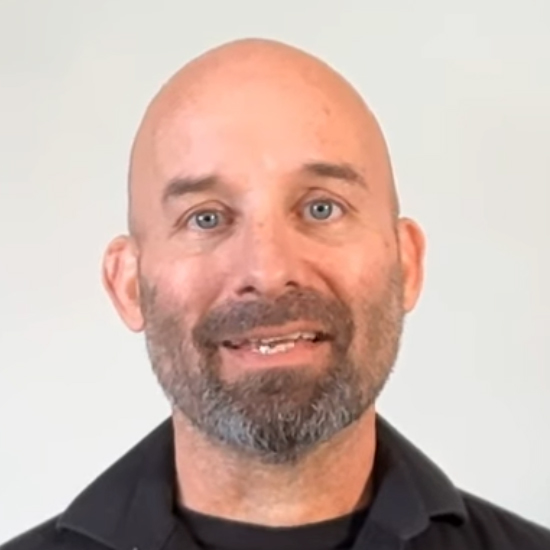
That’s why I wanted to sit down with wound and ostomy nurse Vanessa Reynolds.
Vanessa works directly with people learning how to live with an ostomy, and one thing came through clearly in our conversation: you’re not supposed to know everything immediately.
There’s a learning curve.
And sometimes the most useful advice is also the simplest.
Leaving the Hospital: You Don’t Have to Remember Everything
One of Vanessa’s first recommendations for new ostomates is to involve a family member or support person in the education you receive at the hospital.
There’s a good reason for that.
You may have just been through major surgery and anesthesia. You’re dealing with physical recovery, emotions, medications, and an entirely new situation. Meanwhile, a nurse may be showing you how to change your pouch, care for your skin, and manage supplies.
That’s a lot of information to absorb.
Vanessa pointed out that hospital nurses are also incredibly busy, and there simply may not be enough time to teach everything someone will need to know over the weeks ahead.
Having a family member listen, participate and take notes can make a big difference. And if you get home and think, “I don’t remember how to do this,” that doesn’t mean you failed.
Ask again.
Learning ostomy care is a process.
Start Slowly With Food
Nutrition was another major part of our conversation.
Vanessa recommends starting slowly after surgery and, most importantly, following the instructions of your doctor and medical team. Softer foods may be introduced first, depending on your individual situation and your doctor’s recommendations.
She also emphasized being cautious about foods that may be difficult to digest, particularly early after surgery.
And then there’s one piece of advice I learned the hard way:
Chew your food.
I’ve had four intestinal blockages since getting my ileostomy, including trips to the emergency room and an NG tube. It wasn’t until after those experiences that I fully appreciated how important chewing was for me.
Vanessa explained that digestion begins in the mouth. We sometimes eat quickly because we’re hungry or distracted and forget how much work proper chewing does before food ever reaches the stomach.
For an ostomate, slowing down and paying attention while eating can be an important habit.
Hydration Matters — Especially With an Ileostomy
Vanessa repeatedly came back to hydration when discussing ileostomies.
With higher or more liquid output, maintaining fluids can become especially important. She also emphasized electrolytes, not simply drinking more plain water.
Some people experience very high output and may need help managing it. Vanessa has worked with patients who filled standard pouches extremely quickly and needed different pouching systems or other solutions to make daily life more manageable.
The key is learning what is normal for you.
If your output changes dramatically, you’re having difficulty staying hydrated, or something doesn’t feel right, involve your healthcare team.
You don’t have to solve every ostomy problem yourself.
Protect the Skin Around Your Stoma
Skin irritation is one of the most common practical challenges Vanessa sees.
A good pouching-system fit is critical.
Our bodies aren’t flat surfaces. We have folds, creases, scars and contours. Vanessa explained that barrier rings, barrier sticks and similar products can sometimes help fill those uneven areas and improve the seal around the stoma.
When output gets underneath the barrier, skin can become extremely red, tender and painful.
Vanessa also discussed a technique known as crusting, which may be used in certain situations to protect damaged skin while it heals. Because skin problems can have different causes, this is a good example of where working with an experienced ostomy nurse can be valuable.
If you’re repeatedly having leaks or skin problems, don’t simply accept them as part of having an ostomy.
Your pouching system may need attention.
Be Careful With Your Core After Surgery
Parastomal hernias were another important topic.
Vanessa emphasized being conservative with lifting after surgery and getting your doctor’s permission before beginning core exercises or more strenuous activity.
When someone is cleared to begin moving more, she recommends starting with light stretching and gentle core activity rather than immediately returning to aggressive exercise.
Support garments may also be useful for some people.
And if you notice a bulge getting larger, experience pain, or notice that a hernia is affecting your output, Vanessa’s advice is straightforward: talk to your doctor.
There’s a time for self-management, and there’s a time to ask for help.
Your Ostomy Does Not Define Your Life
This may have been my favorite part of the conversation.
Vanessa described the importance of helping new ostomates rebuild confidence in their bodies.
Modern ostomy products allow people to do things that someone newly out of surgery may be afraid they’ve lost forever.
Swimming.
Sports.
Going out.
Being active.
Living.
Vanessa tells people early in the process that they don’t have to hide and that there are still many things they can do.
An ostomy is a major change.
But a major change and the end of your life are two very different things.
Preparation Can Give You Freedom
One of Vanessa’s most practical suggestions was simply to prepare for life outside the house.
Keep extra ostomy supplies in your car.
If you’re going to a wedding, dinner, sporting event or somewhere you’ll be away from home for a while, bring a small pouch with supplies.
That doesn’t mean living in fear of a leak.
It means removing some of the fear by knowing you’re prepared if something happens.
For many of us, confidence grows from experience.
The first trip out may feel uncomfortable.
The tenth probably feels easier.
Eventually, carrying those supplies becomes about as exciting as remembering your wallet.
Take It One Day at a Time
Toward the end of our conversation, Vanessa gave a piece of advice that may sum up this entire journey:
Take one day at a time.
She even joked that you can give your stoma a name — a nice name or a terrible one, depending on how you’re feeling about it that day.
I like that because it acknowledges something important.
You don’t have to pretend every day with an ostomy is wonderful.
You’re going to learn.
You’re going to make mistakes.
You may have leaks. You may discover foods that don’t work for you. You may struggle with your pouch or your body image. You may have days when you’re simply tired of dealing with it.
Then you keep learning.
Ask questions.
Use your ostomy nurse.
Listen to your medical team.
Learn what works for your individual body.
Prepare yourself, then keep doing the things that make your life your life.
An ostomy may become part of your story.
It doesn’t have to become the whole story.